Showing posts with label Protect. Show all posts

How to Protect Your Skin from the Sun


Hello my people and welcome wherever you are. Now, in our segment today we will talk about sun! Yes, sun! It’s been extremely hot over the last few months and therefore we all dread getting caught outside especially between 10:00am and 04:00pm because it is hottest then but we have no choice because we must go about our daily hustles. However, there are few things we can do to protect ourselves from the effects of exposure to too much sun that we will look at here.  UV radiation is emitted by the sun.Skin cancers are caused by ultraviolet A and ultraviolet B 

rays,also known as UVA and UVB rays. UVA rays account for the majority of solar radiation. UV rays cause wrinkles and sun spots on the skin, as well as skin cancers such as melanoma and non-melanoma cancers. Sunburn is caused by UVB rays damaging the top layer of your skin. Skin cancer can also be caused by UVB rays. Severe sunburn, defined as skin that blisters, peels, or swell,increases your risk of developing skin cancer later in life. Even minor sunburns as a child can lead to melanoma later in life.When you are out in the sun, you are exposing yourself to UVA and UVB rays, which can harm your skin.There is no such thing as a safe tan, and this includes tanning bed tans. Tanning beds can provide a tan with little or no burning, but they also expose your skin to UV radiation,which causes skin aging and cancer.Even a single session of tanning increases your risk of developing melanoma by threefold.You can enjoy outdoor activities safely if you protect your skin from UV rays.It is best to avoid being directly in the sun between 10 a.m. and 4 p.m., when the sun is at its strongest. If you must be out in the sun, protect yourself by wearing a wide-brimmed hat and sunscreen. To keep your skin and eyes safe You can even wear clothing designed to keep the sun off your skin.This type of clothing has an ultraviolet protection factor (upf), which means it is made of material that can shield your skin from uv rays. Also, wear light coloured and long sleeved clothes to protect your skin.Make skin protection a part of your routine by wearing sunscreen every day, even on cloudy days, and by covering all of your skin with sunscreen, not just your face. When selecting a sunscreen, look for the spf, which stands for sun protection factor.The spf of a sunscreen indicates how well it protects you from uvb and some uva rays.Choose a sunscreen with an SPF of 30 or higher, as well as one labeled as broad spectrum sunscreen.

It is a sunscreen that protects against both UVA and UVB rays.Sunscreens are classified into two types.Mineral sunscreens, also known as physical and chemical sunscreens. Mineral sunscreens act as a shield, preventing UV rays from entering your skin. Chemical sunscreens work by absorbing UV rays.Apply sunscreen 30 minutes before going out in the sun so your skin has time to absorb it, and reapply it every two hours, especially after swimming or sweating. If you have a dark skin tone, you still need sunscreen; all skin tones are at risk of sunburn and skin cancer.

In addition, drink lots of water/fluids whether you are thirsty or not to keep your body hydrated. With all this said, it doesn’t mean that the sun has no benefits at all. There are actually about ten benefits we get from the sun that we may not know about apart from the vitamin D that we get from early morning and evening exposure to the sun. In our next segment we will look at these ten benefits of the sun and until then, it’s goodbye for now. Keep engaging in the comment section and let us know what we should add in our segments for our overall health. Also remember to keep your health in check, always.


https://youtu.be/FxG1AdCmMhI
 

Foods to Protect Your Vision | Eye Doctor Explains

Today we look at a very good topic of caring for our eyesight and the foods to eat that will protect our vision. Welcome family and let’s continue engaging.

What foods can you eat to keep your eyes healthy? None of these foods are going to miraculously make you not need glasses or even prevent you from needing glasses but they can maintain a baseline level of eye health and even prevent some eye disorders like cataracts and macular degeneration. a diet that's low in fat, high in fruits and vegetables and grains is always going to be the best option for you for your whole body as well as your eyes .they're heart healthy, brain healthy and eye healthy basically because all of those will keep your arteries nice and open and help deliver oxygen either to your heart, your brain or your eyes. Your eyes actually have tiny arteries called arterioles and they feed the blood supply and oxygen circulation to your retinas and your eyes so it is really important to make sure you're starting with just a baseline level of good nutrition. Here are some of the healthy foods that can protect our eyes

.Green-leafy vegetables. These might be more important than those orange carrots we've all been hearing about. Green leafy vegetables like spinach and kale are high in lutein and zeaxanthin. These are nutrients which lower your risk of age-related macular degeneration, a condition which happens in your retina in the center-most aspect of your retina called immaculate that's responsible for your detailed central vision. If you get macular degeneration oftentimes you'll see a big blind spot in the middle of your vision suffice. it's really important to protect that area and these nutrient-rich types of vegetables like broccoli, peas, romaine, lettuce and even eggs are high in lutein and zeaxanthin.There’s dry macular degeneration and wet macular degeneration. The wet form is when the blood vessels underneath the macula start to bleed and start to leak. There are injections that you can get basically once a month inside your eyes.

Citrus. This is high in vitamin c. oranges, lemons and grapefruits are fantastic for your eyes. Vitamin c is a great antioxidant and it helps prevent damage that might be occurring to your eyes from free radicals. Citrus help repair and grow new tissue and vitamin c might actually be helpful at preventing cataracts and macular degeneration.

Carrots. Carrots have vitamin A which is what's really important from carrots. They have beta-carotene and that's a precursor to vitamin a and your retina metabolizes a lot of this in its retinal cells. It’s also really good for the cornea and the mucous membranes of the eyes. the pink part of your eyes are called the conjunctiva so the beta carotene gets converted into pro vitamin a which then gets converted into retinol which  is really important for maintaining the structural integrity of the retina. It also helps form the photosensitive pigments of the retina that initiate your night vision.

Sweet potatoes. A sweet potato the recommended daily amount of vitamin e which is another antioxidant that keeps your eyes healthy and maintains the structural integrity. Other foods that are high in vitamin e include almonds, avocados and sunflower seeds.

Zinc. Zinc is a really great mineral for your eyes and also important at maintaining the integrity of the macula and making sure that you don't progress or worsen your macular degeneration. A lot of cereals like black eyed peas are fortified with zinc.

Cold water fish. Obviously if you are vegan or vegetarian this is not going to apply to you. Omega-3 vitamins and the source of nutrition from cold water fish is really essential in your health in general and specifically your eyes. They are also great for regulating the tear film for combating dry eye syndrome and it might also help reduce the risk of eye disease later in life. Salmon, tuna and sardines also fall into this category. Generally, eating fruits and vegetables and lean meats not just the orange carrots is very beneficial for the different parts of your eyes can keep your eyes healthy. Let’s all keep our eyes/vision healthy by incorporating these foods and fruits in our daily diet. I hope this was helpful and like I say, you can give your feedback so I can know that my topics are helpful. Until next time, stay blessed.


https://youtu.be/zShTaM9JMLc

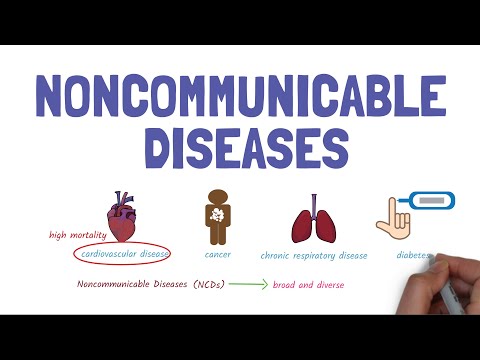
A GLOBAL KILLER… NON-COMMUNICABLE DISEASES – AN INTRODUCTION

Hello and welcome as we look at non-communicable diseases. We’ll take a look at what they are and some key features about them. Non-communic...