Showing posts with label to. Show all posts

Vaginal Discharge: Everything You Need To Know

 Hello guys and welcome back. Today we are going to ask ourselves, when should we be worried about vaginal discharge? What are the myths and the truths concerning vaginal discharge? Today’s topic is vaginal discharge and everything you need to know about it.  Vaginal discharge is completely natural and it keeps the vagina clean and infection free.  The color, amount and texture can differ depending on your age or your menstrual cycle. However, some changes can be a sign of an underlying health condition. There are several types of vaginal discharge depending on color and consistency.

1.      : White colored discharge. This is common at the beginning or end of your menstrual cycle.  It is usually thick and sticky with no strong odor.

2.      : Clear and watery vaginal discharge. This is usually clear and watery when you're sexually aroused or pregnant.

3.      :  Clear and stretchy discharge. This discharge indicates that you're ovulating.

4.      : Brown or bloody.  This can occur during or right after your menstrual cycle.

5.      :  Yellow or green.  Yellow discharge may not indicate a health condition as it can turn to this color when exposed to air. However, darker yellow or green discharge especially when it's thick or accompanied by an unpleasant smell is assigned to seek medical care. Here are the causes of vaginal discharge.  The change in smell, color or texture of vaginal discharge can be caused by changes to the vagina's bacterial balance. When the number of harmful bacteria increases, vaginal infections are more likely to occur.

Ø Vaginosis. This causes increased vaginal discharge that has a strong and sometimes fishy odor.  The discharge may look thin, gray and watery.  This infection can put you at a risk of contracting a sexually transmitted infection.

Ø Trichomoniasis.  Trichomoniasis is caused by a parasite and is usually spread through sexual contact.  It can also be gotten by sharing bath suits or towels.  Most affected people have no symptoms and if they do they'll notice a green or yellow discharge with an unpleasant odor.  Common signs are pain, itching, inflammation, around the vagina when having sex or when urinating.

Ø Yeast infection. This causes a thick white discharge similar to cottage cheese and it is usually odorless. Other symptoms are itching, burning or irritation around the vagina. Gonorrhea or chlamydia. These STIs produce an abdominal discharge due to infecting the cervix. Other symptoms are stomach pain while urinating, bleeding after penetrative sex and many more.

One should  see a doctor if you are worried about your vaginal discharge and also if you notice changes in smell, color and amount then you should talk to a clinician other symptoms to watch out for are pain when urinating, fever, irritation around the vagina, pain in the abdomen, unexplained weight loss or even fatigue.  When you get to a healthcare appointment a physical exam including a pelvic exam will be performed.  Your doctor will also ask several questions about your menstrual cycle, your symptoms and general lifestyle.  If your doctor can't diagnose the problem immediately then they may swab your vagina to get a sample of the discharge, examine it and send it to a laboratory for testing.  Once the cause of the discharge is known, you'll be given treatment options.

 It’s not possible to prevent vaginal discharge because it is natural. However, steps can be taken to reduce the chances of infection. Use water to gently wash your vagina and avoid scented products in douches. Drying thoroughly and wearing breathable cotton underwear can also help. It is good to note that vagina is self-clean so there is absolutely no need of douching or using scented products. I hope that you have learnt something today and as always, let’s keep engaging. Thank you and see you next time.


https://youtu.be/dHab7pur2Gc

How to Protect Your Skin from the Sun


Hello my people and welcome wherever you are. Now, in our segment today we will talk about sun! Yes, sun! It’s been extremely hot over the last few months and therefore we all dread getting caught outside especially between 10:00am and 04:00pm because it is hottest then but we have no choice because we must go about our daily hustles. However, there are few things we can do to protect ourselves from the effects of exposure to too much sun that we will look at here.  UV radiation is emitted by the sun.Skin cancers are caused by ultraviolet A and ultraviolet B 

rays,also known as UVA and UVB rays. UVA rays account for the majority of solar radiation. UV rays cause wrinkles and sun spots on the skin, as well as skin cancers such as melanoma and non-melanoma cancers. Sunburn is caused by UVB rays damaging the top layer of your skin. Skin cancer can also be caused by UVB rays. Severe sunburn, defined as skin that blisters, peels, or swell,increases your risk of developing skin cancer later in life. Even minor sunburns as a child can lead to melanoma later in life.When you are out in the sun, you are exposing yourself to UVA and UVB rays, which can harm your skin.There is no such thing as a safe tan, and this includes tanning bed tans. Tanning beds can provide a tan with little or no burning, but they also expose your skin to UV radiation,which causes skin aging and cancer.Even a single session of tanning increases your risk of developing melanoma by threefold.You can enjoy outdoor activities safely if you protect your skin from UV rays.It is best to avoid being directly in the sun between 10 a.m. and 4 p.m., when the sun is at its strongest. If you must be out in the sun, protect yourself by wearing a wide-brimmed hat and sunscreen. To keep your skin and eyes safe You can even wear clothing designed to keep the sun off your skin.This type of clothing has an ultraviolet protection factor (upf), which means it is made of material that can shield your skin from uv rays. Also, wear light coloured and long sleeved clothes to protect your skin.Make skin protection a part of your routine by wearing sunscreen every day, even on cloudy days, and by covering all of your skin with sunscreen, not just your face. When selecting a sunscreen, look for the spf, which stands for sun protection factor.The spf of a sunscreen indicates how well it protects you from uvb and some uva rays.Choose a sunscreen with an SPF of 30 or higher, as well as one labeled as broad spectrum sunscreen.

It is a sunscreen that protects against both UVA and UVB rays.Sunscreens are classified into two types.Mineral sunscreens, also known as physical and chemical sunscreens. Mineral sunscreens act as a shield, preventing UV rays from entering your skin. Chemical sunscreens work by absorbing UV rays.Apply sunscreen 30 minutes before going out in the sun so your skin has time to absorb it, and reapply it every two hours, especially after swimming or sweating. If you have a dark skin tone, you still need sunscreen; all skin tones are at risk of sunburn and skin cancer.

In addition, drink lots of water/fluids whether you are thirsty or not to keep your body hydrated. With all this said, it doesn’t mean that the sun has no benefits at all. There are actually about ten benefits we get from the sun that we may not know about apart from the vitamin D that we get from early morning and evening exposure to the sun. In our next segment we will look at these ten benefits of the sun and until then, it’s goodbye for now. Keep engaging in the comment section and let us know what we should add in our segments for our overall health. Also remember to keep your health in check, always.


https://youtu.be/FxG1AdCmMhI


HOW TO PREVENT HORMONAL IMBALANCE NATURALLY


Hello family and once again I welcome here and in this segment I hope we learn a few things on how to naturally prevent hormonal imbalances. Karibuni.

Hormones are body's chemical messengers that travel through our blood passing information to tissues and organs telling them what to do. Hormones play myriad different roles in our bodies right from appetite management, reproductive Health, growth and Metabolism and the list goes on. Basically hormones are critical to our health and to our lives. Hormonal imbalance occurs when there is too little or an excessive amount of some hormone. We all experience hormonal imbalance in our lives through phases of puberty, pregnancy or menopause but these are temporary imbalances that subside with time. There are some hormonal imbalances which might last a little longer and might lead to conditions like diabetes, pcod, PCOS, obesity, thyroid problems, infertility, hormonal acne etc. these kind of hormonal imbalances might require medical help. Hormonal imbalances may not always be treated; there are some kinds of hormonal imbalances arising due to conditions like autoimmune disorders, adenoma or tumors which cannot be prevented. However, a lot of hormonal imbalances and conditions arising due to them can be prevented. Conditions like pcod, PCOS, thyroid obesity and infertility are far more common now than there were three decades back.

There are a few foods that have been studied for having a positive impact on the hormones in our body and can help prevent hormonal imbalance. Root vegetables like sweet potato, carrots, beets, radishes, or yams have been backed up by science to contain a compound that helps in regulating the hormones in our bodies especially in cases of thyroid pcod, PCOS or menopause. There are cruciferous vegetables like cabbage, cauliflower, mustard greens, broccoli  and turnips that contain a compound called indole three carbinol that plays a role in preventing hormone dependent cancers like breast cancer or ovarian cancer so it's recommended to include more cruciferous vegetables in your diet. Foreign extracts that help our body cope with stress which could be physical biological or mental stress also known as adaptogens help in boosting our immune and hormonal Health. Some well-known adaptogens are found in herbs like ashwagandha, Tulsi, turmeric, ginseng and certain kind of mushrooms.  However, it is not recommended to consume these adaptogens in concentrated forms like supplements since a lot more study is required to understand the benefits and side effects of consuming them in concentrated forms. Include these adaptogens in a moderate and time-tested fashion in the diet like the inclusion of Tulsi in the form of Tulsi Tea or turmeric in the form of turmeric milk our gut contains trillions of microbes that produce substances and metabolites that impact our hormonal Health positively as well as negatively. Taking care of our gut health is Paramount and maintaining a good hormonal balance in the body and we can take care of our gut health by doing these three basic things:  inclusion of more diversity in our diet intake of Probiotic foods and intake of Prebiotic Foods. Fats are the basic building blocks of hormones in our bodies and they also play other functions in the body like temperature regulation, reproductive Health, cognitive function and so much more.  A diet consisting of the right quality and quantity of fat can go a long way in maintaining good hormonal balance.  Nuts, seeds, fish, cold pressed or filtered oils are great way of including good fats in the diet. any kind of diet that works on the principle of leaving out a macronutrient like carbs or fats inevitably disturbs the body's hormonal balance, you might think that you're losing weight but in the process you also lose the health of your hair, the health of your skin and they might also disturb your menstrual cycles. Studies have shown that people with thyroid or pcod PCOS can revert back their hormonal Health by going on a regime of regular physical activity and exercise, however, balance is the key with exercise as well high intensity activities or exercises should be followed by periods of active rest or recovery to avoid any added stress in our bodies especially in case of people who might be experiencing other health conditions. Foreign levels of stress for a long period of time results in high cortisol in the body which influences other hormones like insulin thyroid or sex hormones. High cortisol could potentially lead to hormonal imbalance in the long run so it is important to avoid stress by engaging in Hobbies, yoga or meditation. Sleep hugely impacts the balance of hormones in our bodies. Hormones leptin and ghrelin that play a role in regulating our appetite are hugely influenced by our sleep patterns. Lack of sleep or inadequate sleep has been associated with patterns of overeating and weight gain. Lack of sleep can also lead to elevated levels of cortisol in the body which once again leads to other health problems like fat gain, insulin resistance diabetes, etc. with the correct kind of diet and lifestyle, hormonal imbalances can definitely be reverted that was just a brief look at how to prevent hormonal imbalance naturally and I hope you find it helpful. Take care until next time.  Bye.


https://youtu.be/gC2Z01VBYfc

Foods to Protect Your Vision | Eye Doctor Explains

Today we look at a very good topic of caring for our eyesight and the foods to eat that will protect our vision. Welcome family and let’s continue engaging.

What foods can you eat to keep your eyes healthy? None of these foods are going to miraculously make you not need glasses or even prevent you from needing glasses but they can maintain a baseline level of eye health and even prevent some eye disorders like cataracts and macular degeneration. a diet that's low in fat, high in fruits and vegetables and grains is always going to be the best option for you for your whole body as well as your eyes .they're heart healthy, brain healthy and eye healthy basically because all of those will keep your arteries nice and open and help deliver oxygen either to your heart, your brain or your eyes. Your eyes actually have tiny arteries called arterioles and they feed the blood supply and oxygen circulation to your retinas and your eyes so it is really important to make sure you're starting with just a baseline level of good nutrition. Here are some of the healthy foods that can protect our eyes

.Green-leafy vegetables. These might be more important than those orange carrots we've all been hearing about. Green leafy vegetables like spinach and kale are high in lutein and zeaxanthin. These are nutrients which lower your risk of age-related macular degeneration, a condition which happens in your retina in the center-most aspect of your retina called immaculate that's responsible for your detailed central vision. If you get macular degeneration oftentimes you'll see a big blind spot in the middle of your vision suffice. it's really important to protect that area and these nutrient-rich types of vegetables like broccoli, peas, romaine, lettuce and even eggs are high in lutein and zeaxanthin.There’s dry macular degeneration and wet macular degeneration. The wet form is when the blood vessels underneath the macula start to bleed and start to leak. There are injections that you can get basically once a month inside your eyes.

Citrus. This is high in vitamin c. oranges, lemons and grapefruits are fantastic for your eyes. Vitamin c is a great antioxidant and it helps prevent damage that might be occurring to your eyes from free radicals. Citrus help repair and grow new tissue and vitamin c might actually be helpful at preventing cataracts and macular degeneration.

Carrots. Carrots have vitamin A which is what's really important from carrots. They have beta-carotene and that's a precursor to vitamin a and your retina metabolizes a lot of this in its retinal cells. It’s also really good for the cornea and the mucous membranes of the eyes. the pink part of your eyes are called the conjunctiva so the beta carotene gets converted into pro vitamin a which then gets converted into retinol which  is really important for maintaining the structural integrity of the retina. It also helps form the photosensitive pigments of the retina that initiate your night vision.

Sweet potatoes. A sweet potato the recommended daily amount of vitamin e which is another antioxidant that keeps your eyes healthy and maintains the structural integrity. Other foods that are high in vitamin e include almonds, avocados and sunflower seeds.

Zinc. Zinc is a really great mineral for your eyes and also important at maintaining the integrity of the macula and making sure that you don't progress or worsen your macular degeneration. A lot of cereals like black eyed peas are fortified with zinc.

Cold water fish. Obviously if you are vegan or vegetarian this is not going to apply to you. Omega-3 vitamins and the source of nutrition from cold water fish is really essential in your health in general and specifically your eyes. They are also great for regulating the tear film for combating dry eye syndrome and it might also help reduce the risk of eye disease later in life. Salmon, tuna and sardines also fall into this category. Generally, eating fruits and vegetables and lean meats not just the orange carrots is very beneficial for the different parts of your eyes can keep your eyes healthy. Let’s all keep our eyes/vision healthy by incorporating these foods and fruits in our daily diet. I hope this was helpful and like I say, you can give your feedback so I can know that my topics are helpful. Until next time, stay blessed.


https://youtu.be/zShTaM9JMLc

How to eat an Avocado: Nutrition Benefits, Tips & Preparation


Hello everyone and welcome back. I appreciate you for all your feedback. Let us continue learning.

Today we will look at avocados and their benefits. Are there myths you know about avocados? Mmhh...Some people wouldn’t eat an avocado in fear of it raises cholesterol levels. In our article today, we will look at what exactly are the benefits of avocados. Kama kawaida let us get into it, shall we?

Avocado is highly nutritious and something that you want to include as part of your daily diet for optimal health. Now some people fear that it is high in fat and calories. An avocado, is highly beneficial in all the right nutrients that support our health in so many different ways. What is the nutritional composition and why is this powerful food to include as part of your regular diet? For starters, a medium size avocado is about 300.Calories as part of a whole food salad that is an excellent amount but in general, consuming a half or one avocado a day is considered fine and healthy.

Aside from the calorie content, you can expect to find about 12 or 13 grams of fat in about half an avocado or about 25 grams in a full one. Fats in avocados are extremely beneficial to our health. There are so many different fatty acid benefits like oleic acid that makes up pretty much half of the avocado's fat. What makes these fats so powerful is that they help to make your brain function properly and they help to build your cells. A lot of us don’t understand that our cells need a fat composition in order to be built and work properly. Avocados are also beneficial for your heart health. Remember that fat, as long as it's the healthy fat, can actually decrease your risk of heart disease and improve your cardiovascular health. Avocado is also highly anti-inflammatory in nature, which is one of the major risk factors, as is inflammation for heart disease.

The healthy fats also are vital in proper absorption, of not just fat soluble vitamins, but a lot of the antioxidants, specifically carotenoids contained in avocado.

Avocados are extremely rich in a variety of different antioxidants, specifically from the carotenoid group. Now carotenoids you may be familiar with from foods like carrots. The green fleshy part is extremely rich in a number of different carotenoids, one of them being lutein and as we know today lutein is extremely beneficial for proper eye health.

Aside from brain health, heart health, eye health and being extremely anti-inflammatory, which just helps all parts of our health, the benefits of eating an avocado also include anti-cancerous because of the antioxidants that it contains. The avocado also helps us regulate our blood sugar to support our health on so many different levels and enhances our overall good health. Avocados are also rich in various vitamins and minerals specifically vitamin K, vitamin C, some of the B vitamins, like vitamin B5 and B6, as well as potassium.

Avocados can be put into salads because they really invigorate salads to become whole meal ideas.

Another way is to use it on different meal ideas or as a side to different meals.

Avocados go great with almost any food, as their taste is quite mild. Slightly on the sweet side but generally mild, so they go really well with everything.

Guacamole is another famous food that you may want to try using fresh avocados. It is absolutely amazing when you make your own homemade.

Bottom line, the avocado is extremely versatile and again, for its nutrition and delicious taste and health benefits, something you want to include as part of your everyday diet.

Here are tips on how to store your avocado.

First and foremost you don't want to cut it up as much as possible. if you know you're only going to eat half, store the other half, with it’s shell and, if possible pit. The pit will actually help it stay longer and fresh, and put it in a sealed container.

You can also sprinkle some lemon juice to prevent that oxidation or browning process.

 If you do make a meal with some avocados and you're storing that for later, please note that they might turn bit grey or brown which is not a big deal. Storing cut avocados for long decrease the nutritional composition. Cooking avocados will only destroy nutrients like the vitamins, the minerals, the phytochemicals, the carotenoids, and the antioxidants. They are best eaten raw, and as part of any meal.


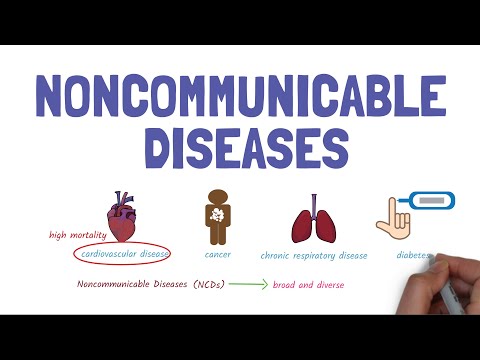
A GLOBAL KILLER… NON-COMMUNICABLE DISEASES – AN INTRODUCTION

Hello and welcome as we look at non-communicable diseases. We’ll take a look at what they are and some key features about them. Non-communic...